Author name: Prasanna

Neuroimaging

Structural MRI Processing must be Reproducible to be Clinically Meaningful

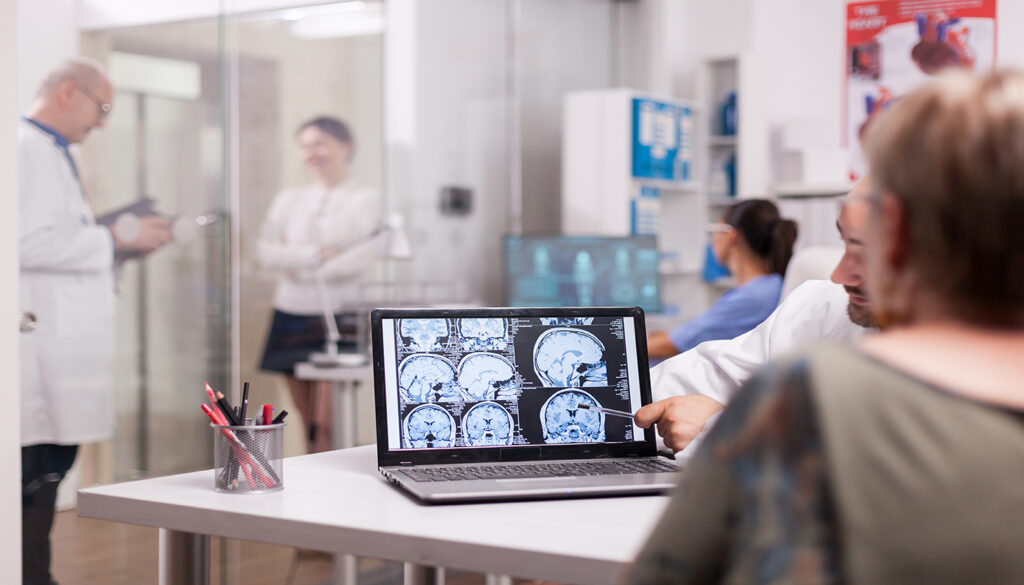
Structural MRI Processing Must Be Reproducible to Be Clinically Meaningful Structural MRI (sMRI) gives clinicians and researchers an unprecedented window into the brain capturing cortical thickness, subcortical volumes, and anatomical geometry in high-resolution 3D detail. It forms the foundational layer of modern neuroimaging, informing both research hypotheses and real-world clinical decisions. But high-resolution images alone […]

Data Harmonization

Neuroimaging Data Harmonization: Solving Variability in Brain Research

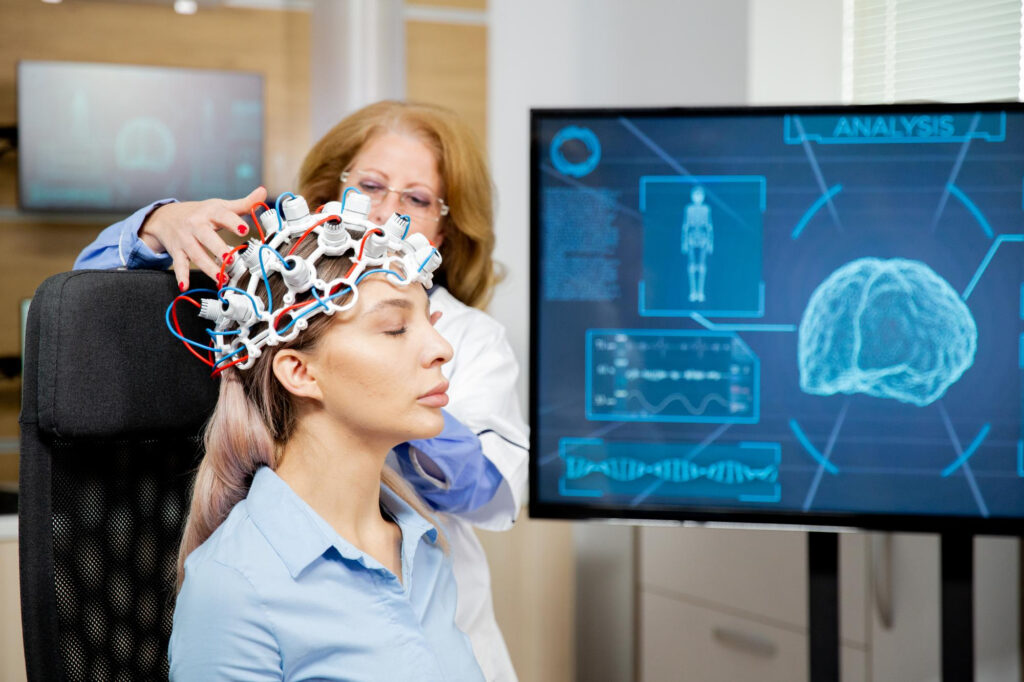
Ensuring consistent, bias-free neuroimaging data across scanners, sites, and longitudinal studies Introduction Neuroimaging studies increasingly rely on data collected across multiple scanners and research sites. While this scale enables powerful analysis, it also introduces scanner- and site-related variability that can obscure true biological signals. The Challenge of Scanner and Site Variability Differences in hardware vendors,

Imaging Pipelines

Automated Neuroimaging Pipelines: Reproducible Workflows Built for Scale

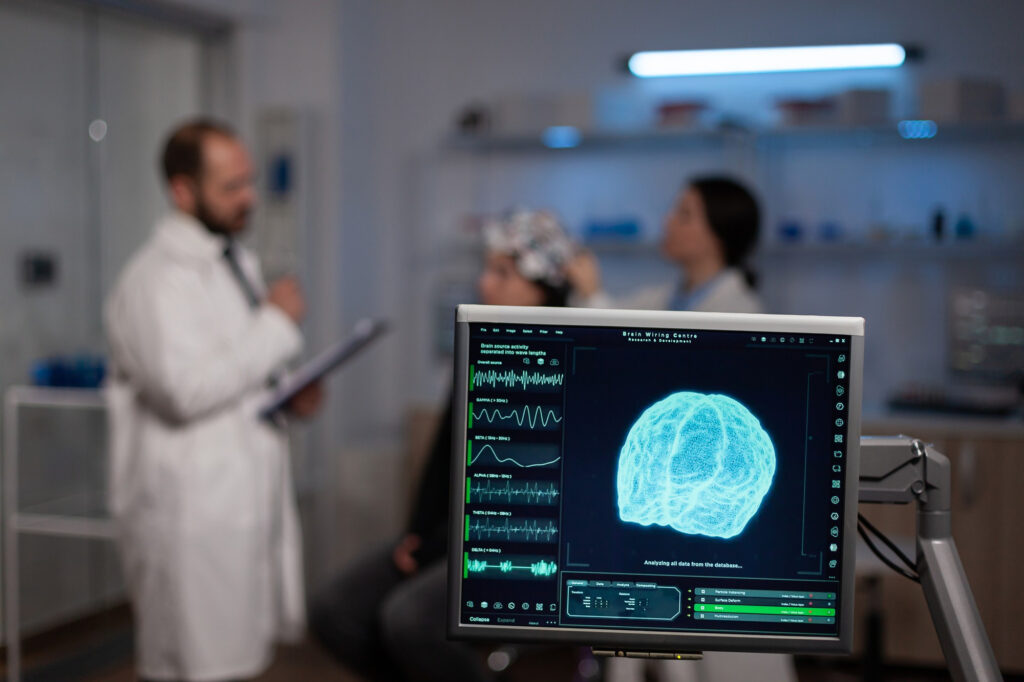
Scalable, automated neuroimaging workflows designed for accuracy, reproducibility, and operational reliability. Introduction As neuroimaging datasets grow, manual processing becomes inefficient and error-prone. Automated pipelines provide a robust solution for scalable and reproducible analysis. End-to-End Pipeline Automation Automated workflows handle data ingestion, preprocessing, analysis, and reporting with minimal manual intervention. Core Pipeline Capabilities Structural MRI processing

AI in Neuroscience

AI-Driven Brain Analytics: Purpose-Built Machine Learning for Neuroscience

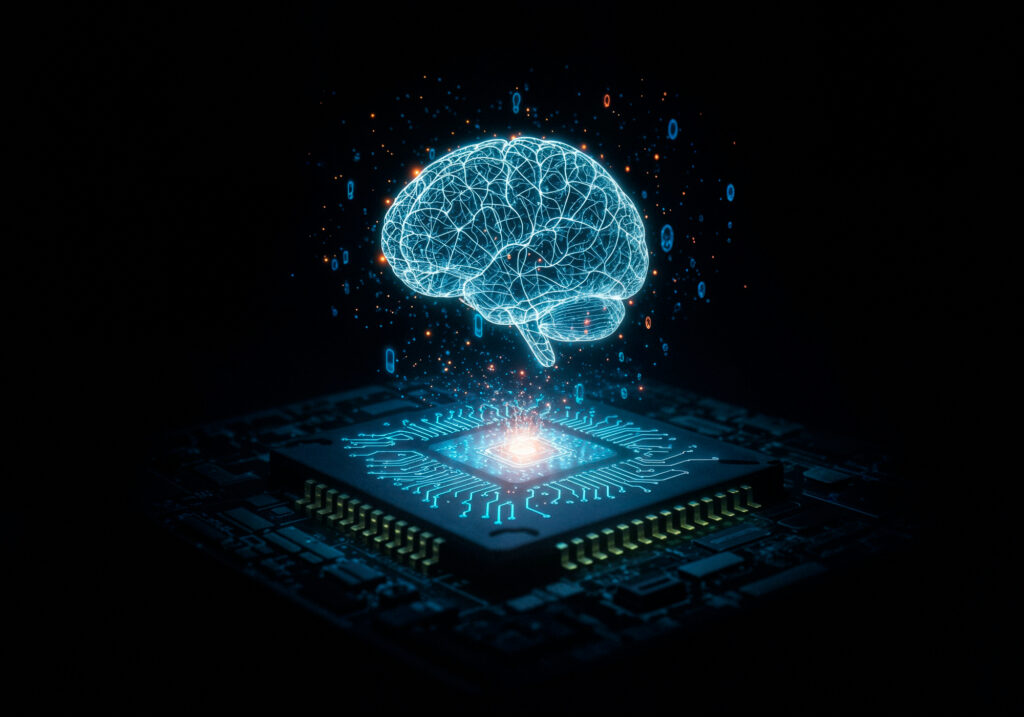
Interpretable, neuroscience-specific AI designed to respect neurobiology and statistical rigor. Introduction AI holds immense promise in neuroscience, but generic models often fail to capture the complexity of brain data. Why Neuroscience Needs Specialized AI Brain imaging data requires models that prioritize interpretability, biological relevance, and robust statistics. Core AI Capabilities Feature extraction and phenotyping Disease-specific

Scroll to Top